OUR RESEARCH GROUP
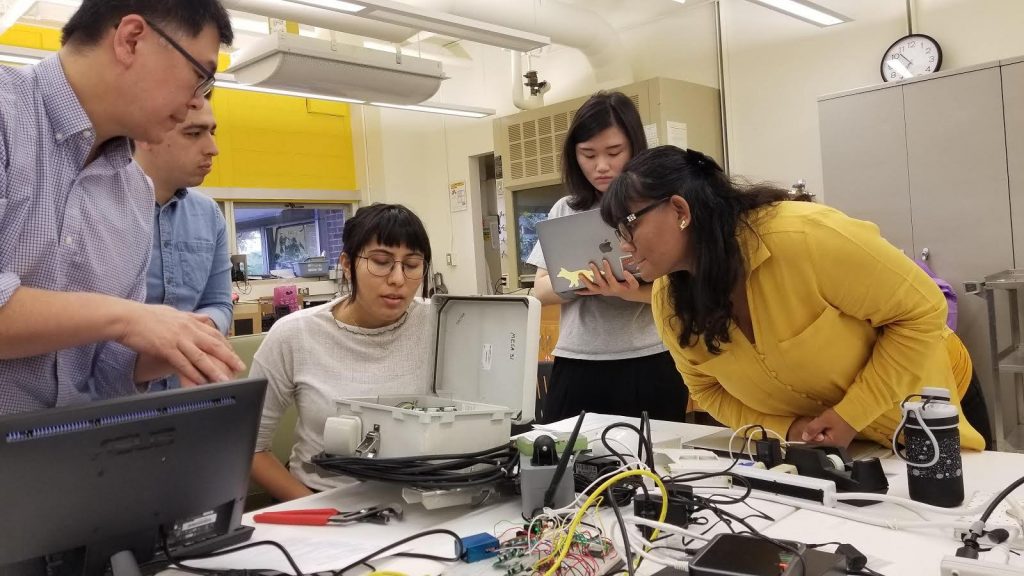
The Seto Lab conducts research that aims to quantify and mitigate environmental exposures that are harmful to human health. Our lab focuses on air pollution exposures, however, we also conduct studies related to infectious agents, noise, dietary intake, the built environment, and environmental justice. Our studies employ various methods and technologies, requiring engineering and data science. We invite undergraduate, graduate, and post-doctoral researchers to work on our current projects.
 New! – Spatial Analysis in R Tutorials
CURRENT WORK
UW Center for Environmental Health Equity – An Environmental Justice Technical Assistance Center. Visit the UW CEHE’s website.
Environmental Noise Exposures – Measurement and modeling methods to assess transportation-related and other sources of community noise for epidemiological studies [national modeling site] and [Growler Jet project site].
TREE Study – Community-engaged study to use a trailer instrumented with regulatory-grade air quality instruments, as well as portable low-cost research sensors used by youth groups in four overburdened communities in the Puget Sound region.
Duwamish Air Improvement Study for Youth (DAISY) – Community-engaged asthma intervention evaluating the effectiveness of low-cost indoor air filtration and culturally and linguistically appropriate healthy home assessments. [project site]
Wildfire Smoke Rule to Protect Outdoor Workers – We are conducting a qualitative/quantitative study on the impacts and possible improvements to the wildfire smoke rule in Washington State.
NIH ABC Nairobi, Kenya Study – We are assessing household and community air pollution exposures for a pregnant women/birth cohort study of neurodevelopment.
Indoor Air Quality Intervention Studies – Largely unfunded, these are timely and important studies being conducted by students and post-docs in our group to evaluate the role of HEPA air cleaners, box fan filters, and other strategies to reduce exposures and associated health effects from wildfire smoke and other episodic and very high concentration indoor air quality concerns.
NIH Adult Changes in Thought (ACT) Air Pollution Study – We are assessing exposures using a spatial temporal model informed by multi-pollutant low-cost air quality sensors developed by our group and brain aging, Alzheimer’s Disease in the longitudinal ACT cohort. A companion add-on study is also assessing traffic-relate air pollution (TRAP) using mobile monitoring.
NIH AIRE Imperial Valley Children’s Asthma Study – We are using a network of community-engaged low-cost PM sensor monitors to assess the associations between PM2.5 and PM10 exposure and asthma symptoms for school-aged children in the Imperial Valley, CA. [project site]
CARB AB617 San Ysidro Project – We are using a network of multi-pollutant low-cost air quality sensors to understand air pollution exposures in San Ysidro — a community next to the busiest land border crossing between US-Mexico. The project includes Community-to-Community workshops to assist groups in establishing their community air monitoring. [project site]
– – –
RECENT COMPLETED RESEARCH
Unlocking the Nationwide Potential of Water Reuse – We were one of team members on this multi-site collaborative research project aimed investigating water reuse. Our group developed quantitative microbial risk assessment (QMRA) tools in R to examine the potential public health new water reuse applications. Other aspects of the center aimed to understand emerging contaminants of concern for water reuse, treatment options, and environmental justice concerns. [project site]
Actionable Agricultural Community Tools (II-ACT) – An EPA Center for Early Lifestage Vulnerabilities to Environmental Stressors. Learn more about this research center.
Improving Indoor Air Quality at Homeless Shelters – We worked with Public Health Seattle King County and Washington State Department of Health to improve indoor air quality in homeless shelters, improving resilience to COVID-19, extreme heat and wildfire smoke. [air cleaner guidance for congregate settings]
TWIN COVID-19 Health Impacts Studies – We analyzed data from an online survey of the members of the Washington State Twin Registry soon after the COVID-19 Stay-at-Home order, and at select times during the pandemic. The survey assessed a variety of outcomes, including mental health, socialization, and sleep.
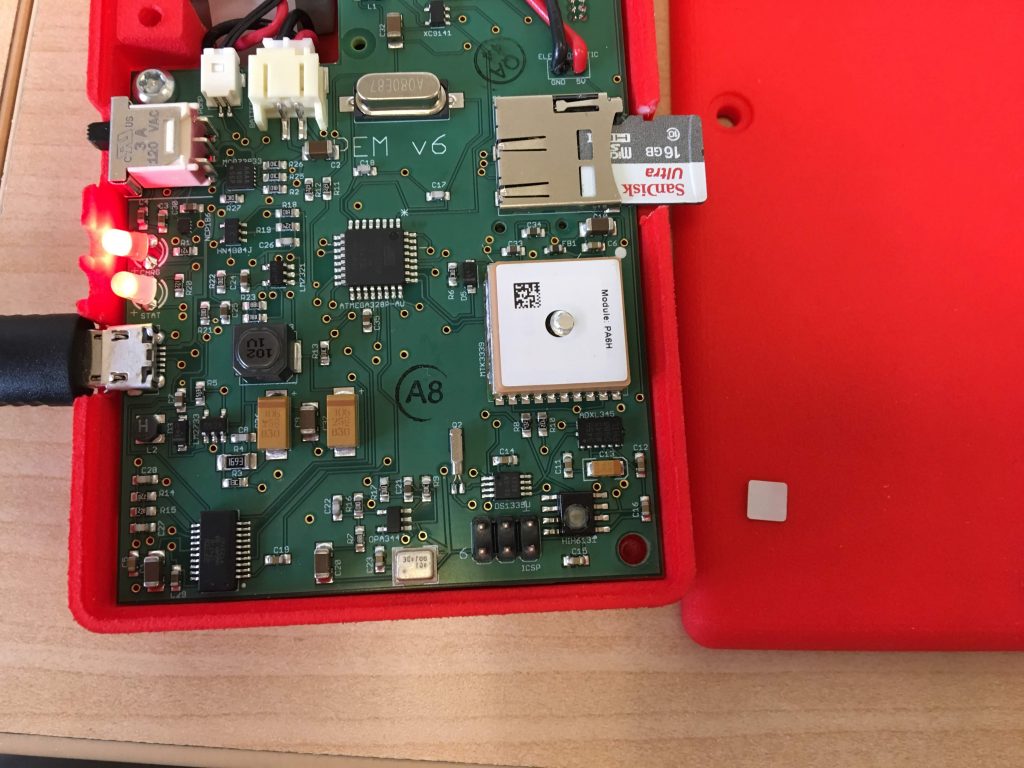
NIH TWIN PUWP Study – We recruited twin pairs from the Washington State Twin Registry in the Seattle region to use Portable UW Particle (PUWP) personnel exposure monitors and provide biological samples to assess the associations between spatial and temporally resolved, GPS-tracked air pollution exposures and system inflammation.
NIH PRISMS TEMU Study – We developed and tested a personal exposure monitor and Redcap symptom tracking system for children with asthma.
Chengdu, China Modern Mobility Study – We are conducting a panel and crossover study to assess the association between traffic-related air pollution (TRAP) exposure and acute cardiorespiratory outcomes, and the effect of a mini-powered air purifying respirator (mini-PAPR) in reducing the potential health effects for a mix of different mobility/transportation modes.
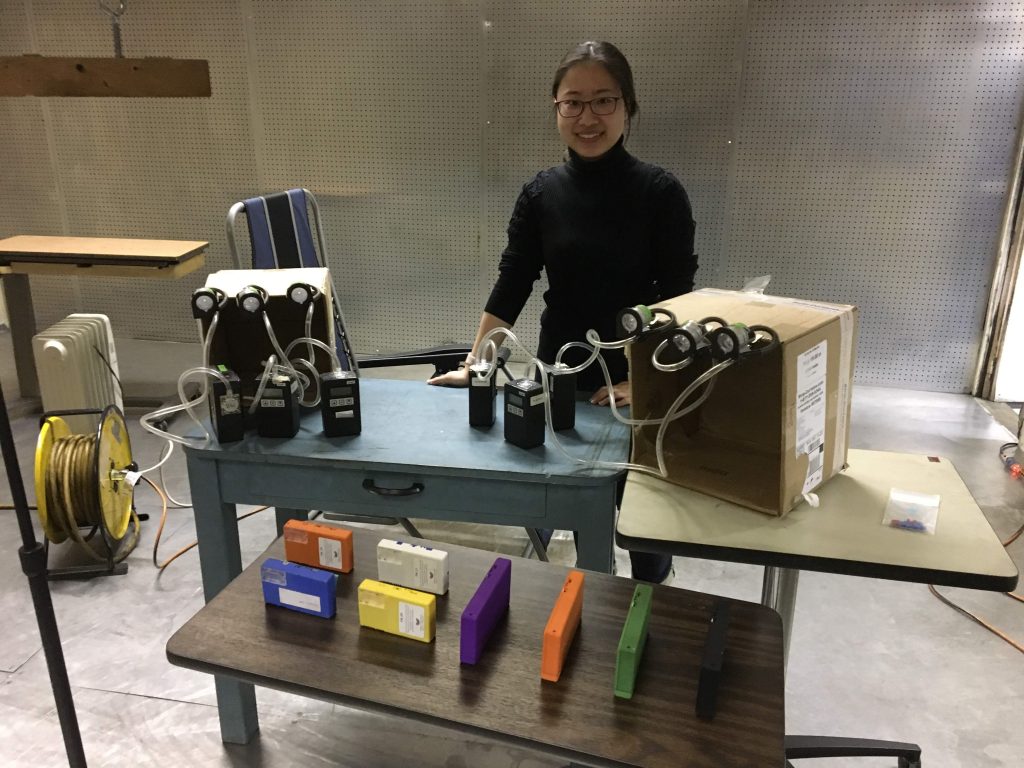
NIH MESA AIR Air Pollution Sensors Study – We collocated multi-pollutant low-cost sensor monitors at government air quality monitoring sites in several cities across the US, and calibrated/validated the sensors. We found that city-specific calibration results in useful sensor data for epidemiological studies.
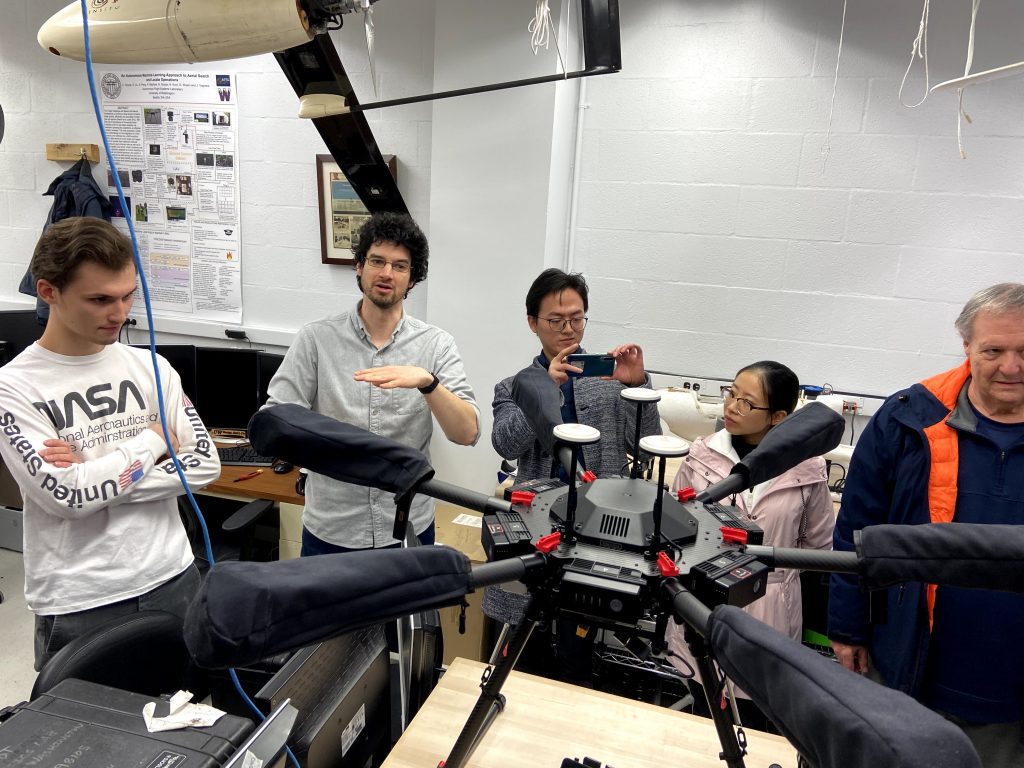
UW EarthLab Vegetation and Vertical Air Pollution Profiles Study – We used a large instrumented Matrice unmanned aerial vehicle (UAV) drone to collect vertical profile air pollution measurements in different urban environments in the Seattle, WA area to assess the role of vegetation on different sources of air pollution.
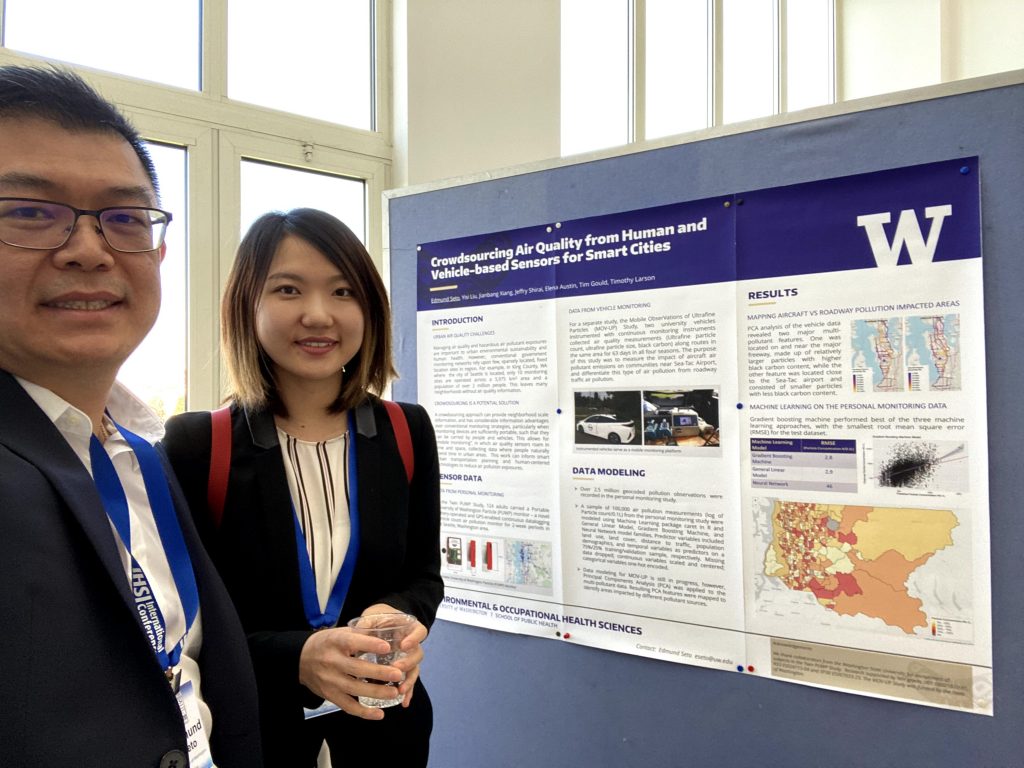
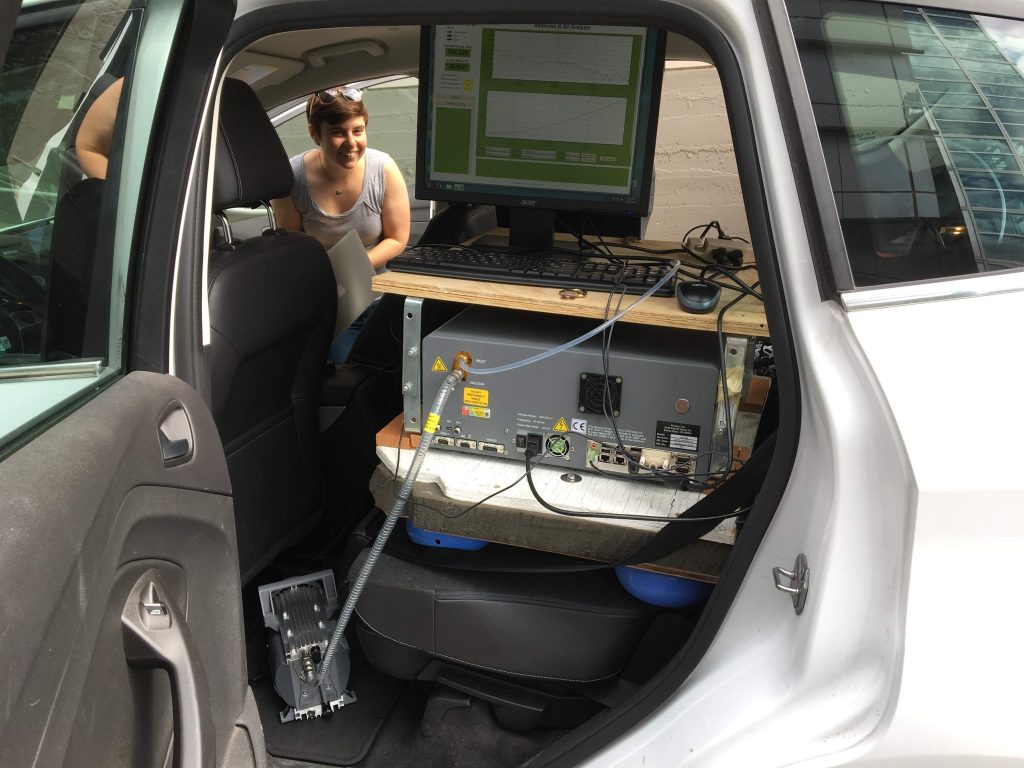
Washington State Mobile ObserVations of Ultrafine Particles (MOV-UP) Study – We utilized vehicles instrumented with advanced air pollution monitoring instruments to measure and differentiate ultrafine particle concentrations in communities underneath the flight paths of the SeaTac Airport. [project site]
NIH Imperial Valley Research-to-Action Study – We designed, developed, and calibrated/validated a network of 40 low-cost PM sensor monitors as part of a community-engaged research partnership in the Imperial Valley, CA. Monitoring informed the greater numbers of air pollution episodes identified by community air monitoring compared to conventional government air monitoring in the valley, and real-time monitoring was used for schools’ asthma flag programs. [project site]
Washington Environmental Health Disparities Map – We partnered with Community-based organizations and state and regional environmental agencies to develop a state-wide cumulative environmental impacts mapping tool to guide environmental justice and climate equity policies. [project site]